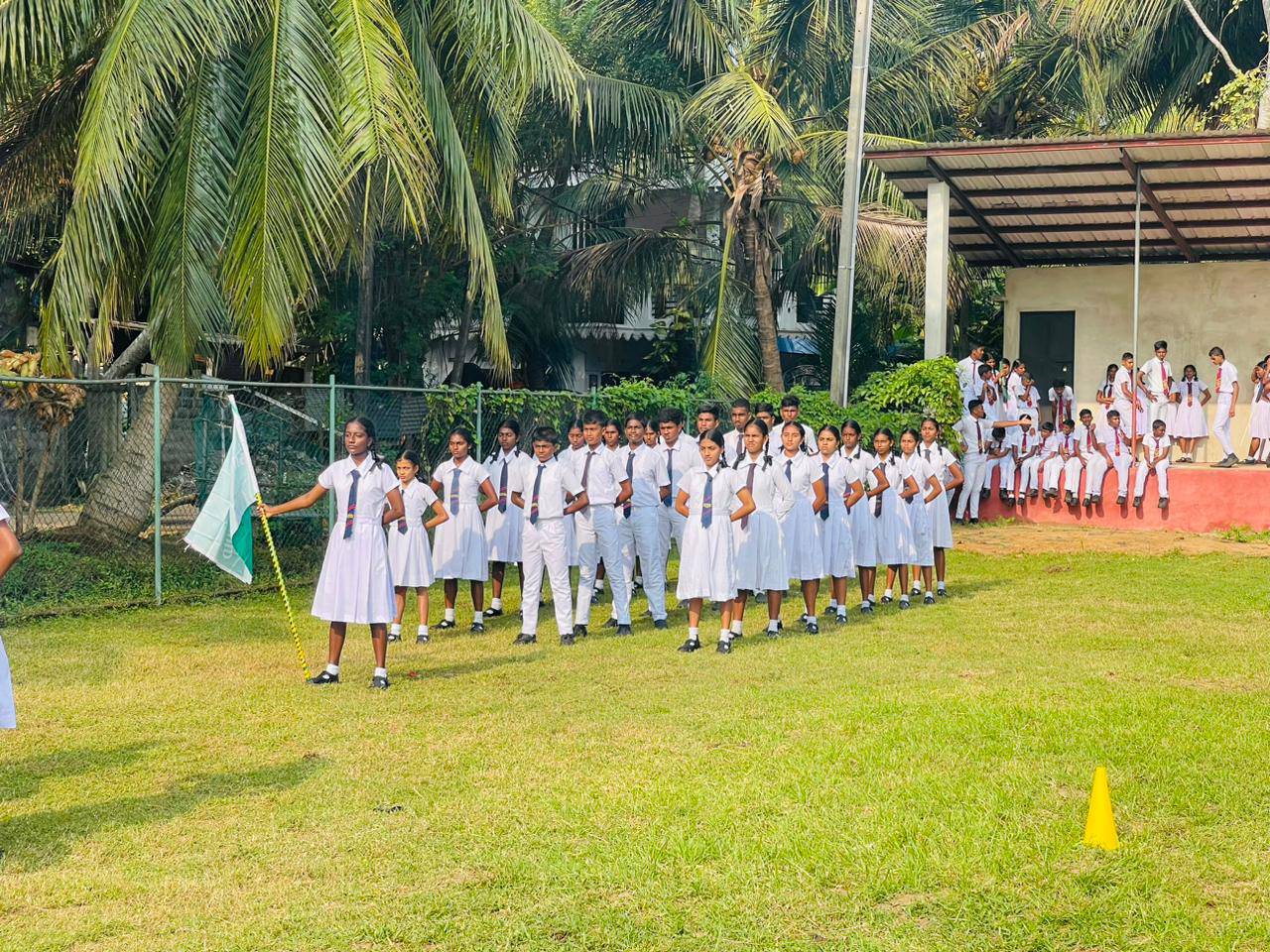
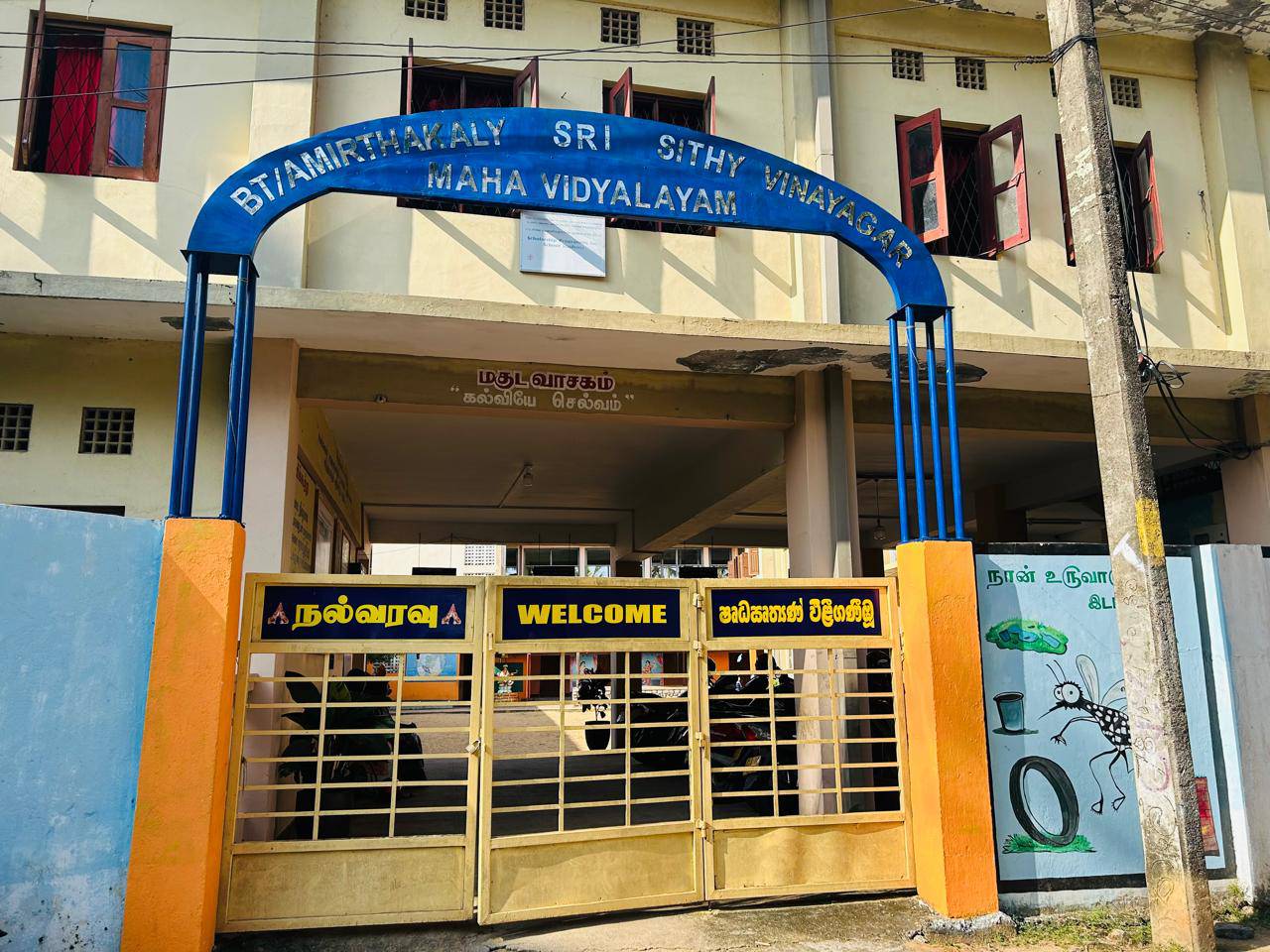
Primary education in Sri Lanka plays a foundational role in shaping the nation's future. It is the first formal stage of education and sets the tone for a child's educational journey. Primary schools in Sri Lanka provide a crucial platform for young learners to acquire essential skills, knowledge, and values. Here is an overview of primary schools in Sri Lanka:
Structure:
- Primary education in Sri Lanka typically covers grades 1 to 5, although it may vary slightly by school.
- The medium of instruction is Tamil, depending on the region and the students' linguistic background.
Curriculum:
- The primary school curriculum in Sri Lanka is designed to provide a well-rounded education, emphasizing basic literacy, numeracy, and a foundational understanding of subjects like science, social studies, and languages.
- The curriculum is developed and regulated by the Ministry of Education to ensure consistency and quality across primary schools.
Subjects:
- Students in primary schools study subjects such as Sinhala, Tamil, Mathematics, Science, Social Studies, Religion (Buddhism, Hinduism, Christianity, or Islam, depending on the student's faith), and English as a Second Language.
Teaching Methods:
- Primary school education in Sri Lanka primarily relies on teacher-centered instruction, but there is an increasing emphasis on student-centered and activity-based learning to enhance critical thinking and problem-solving skills.
- Teachers play a pivotal role in delivering quality education and nurturing students' holistic development.
Infrastructure:
- Primary schools in Sri Lanka vary in terms of infrastructure and facilities, with some located in rural areas facing resource challenges, while urban schools tend to have better-equipped classrooms and facilities.
- Efforts are being made to improve the infrastructure in all schools, including providing clean drinking water, sanitation facilities, and safe learning environments.
Examinations:
- At the end of primary education (grade 5), students in Sri Lanka take the Grade 5 Scholarship Examination. This exam is highly competitive and determines access to prestigious secondary schools and scholarships.
- While it is an important assessment, there is growing recognition of the need to reduce the stress associated with this exam and promote a more holistic approach to education.